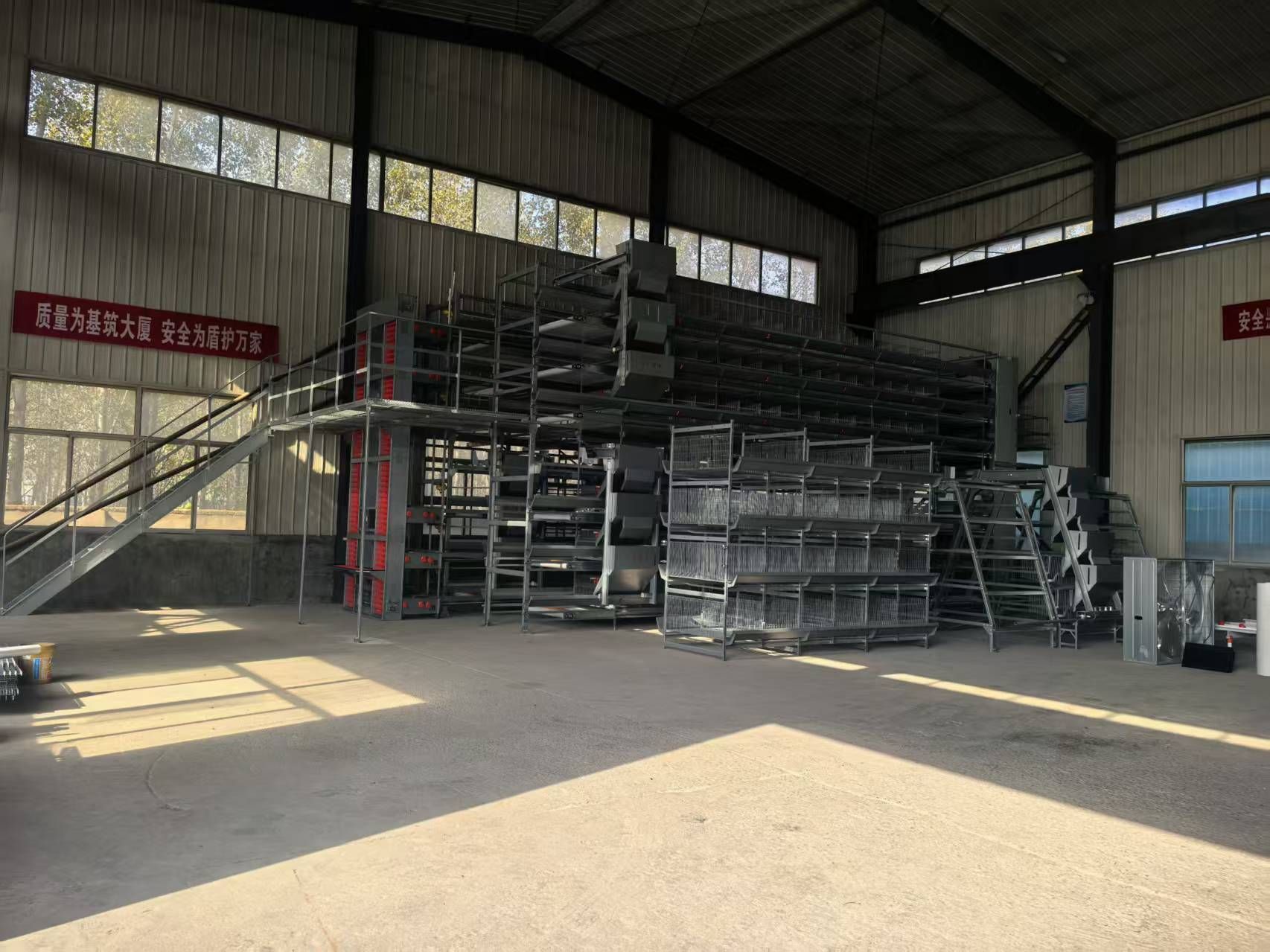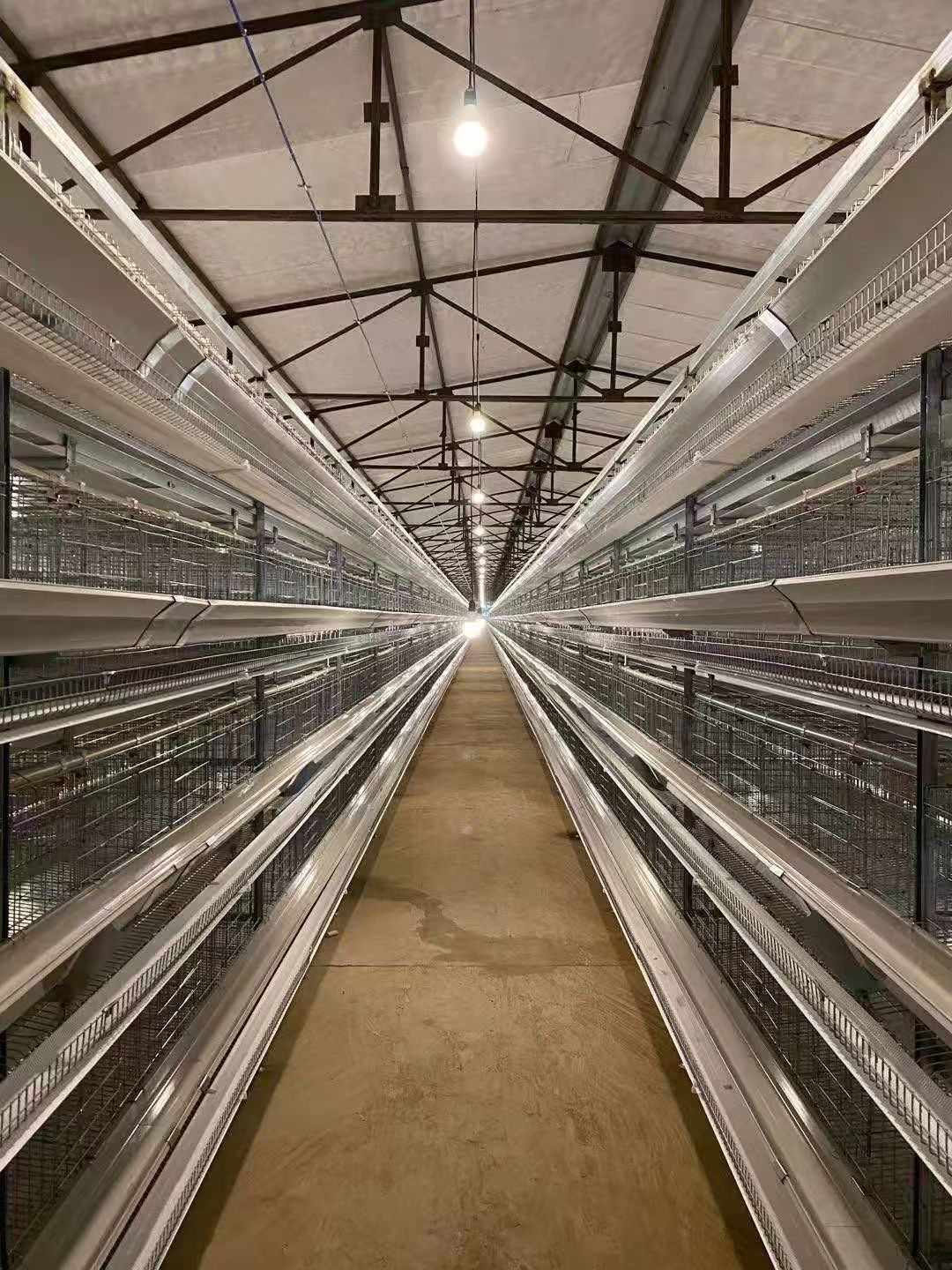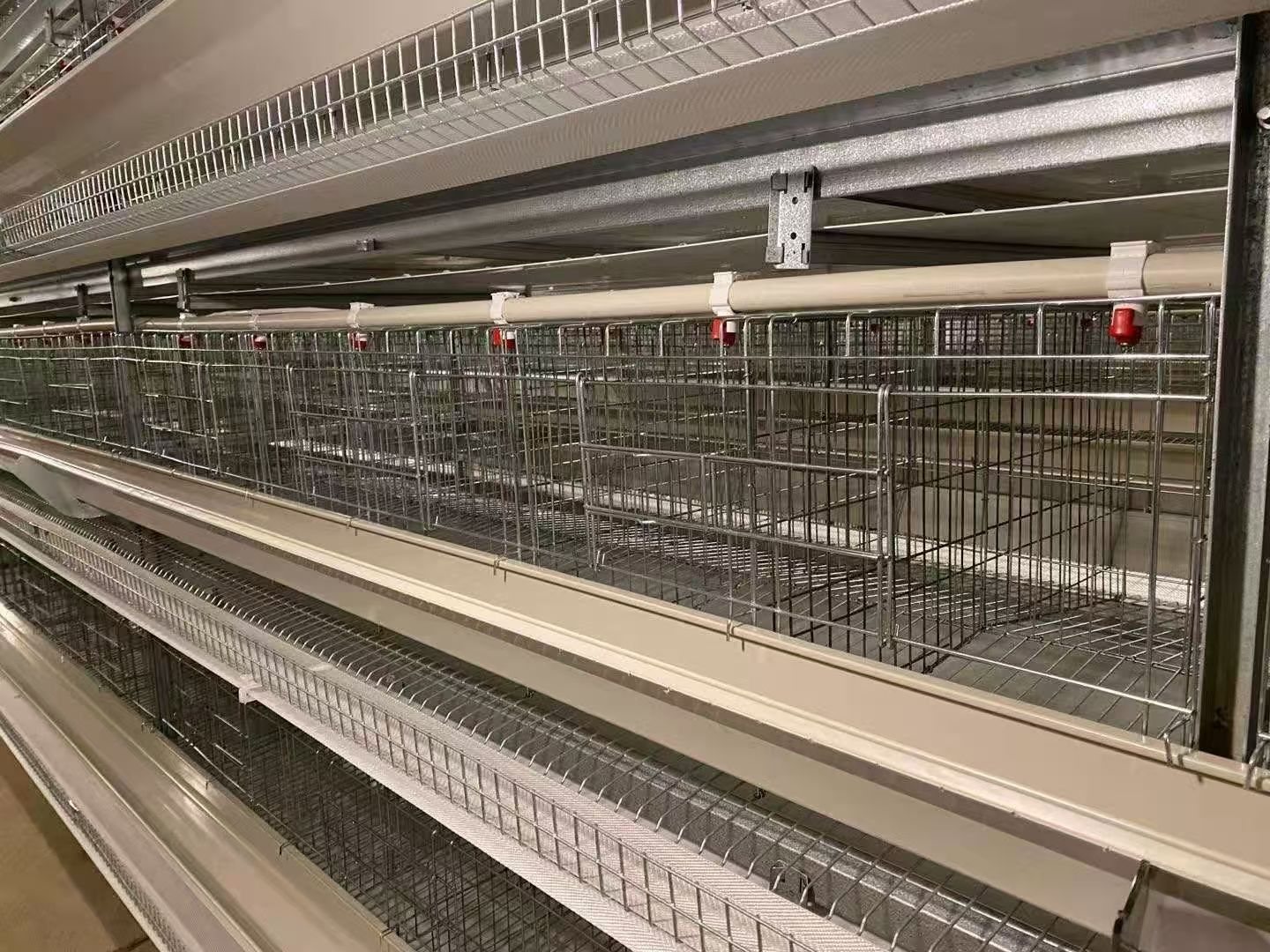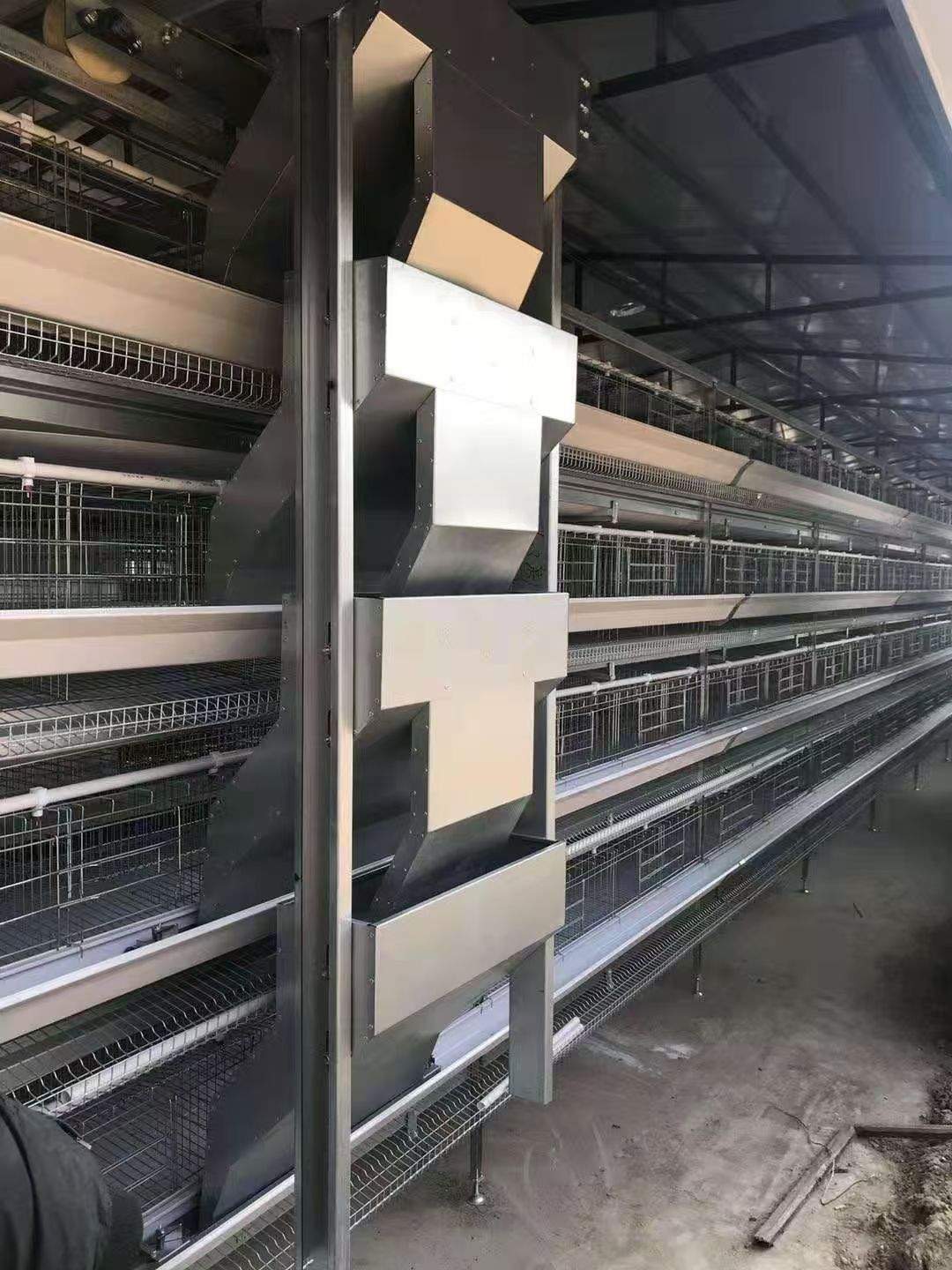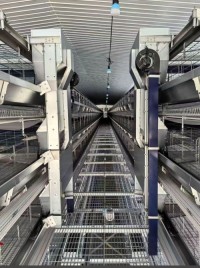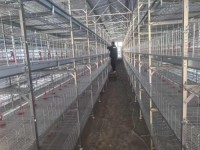

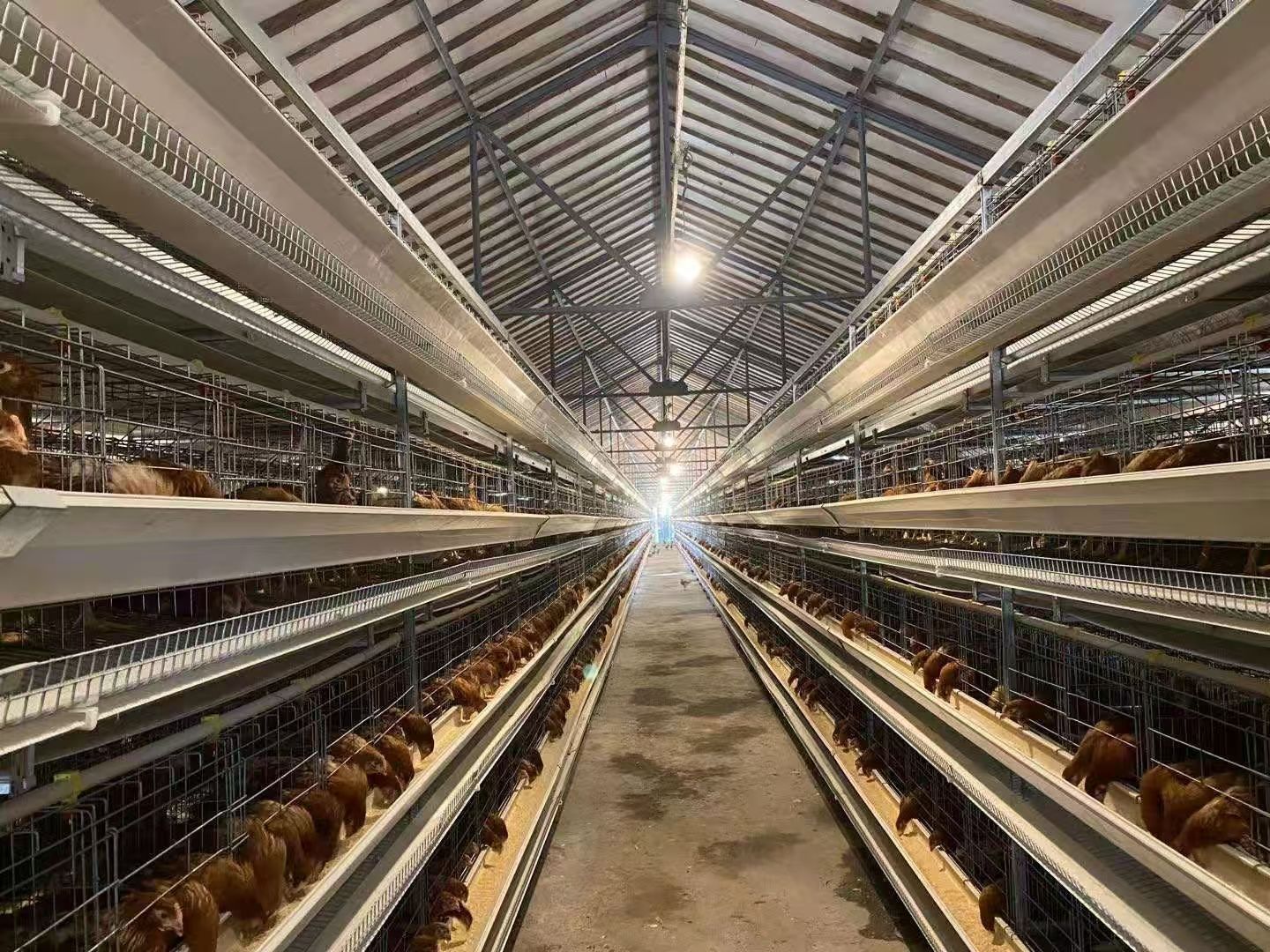
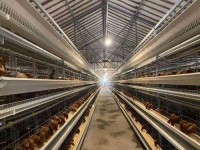
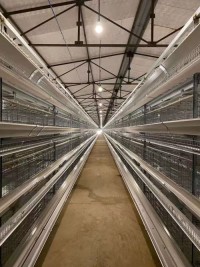
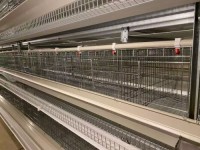
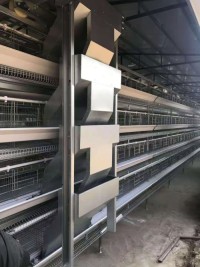

Introduction to Caged Layer FarmingCage housing is the mainstream model for large-scale egg production in China, typically employing galvanized wire mesh to construct multi-tiered or stepped battery cages, combined with enclosed standardized poultry houses. This system integrates a full suite of automated equipment for feeding, watering, egg collection, manure removal, ventilation, and temperature control.In this farming method, layers are housed separately in individual cage compartments arranged in multi-level stacked rows, significantly enhancing land and space utilization. The stocking density per unit area is far higher than that of free-range or floor-rearing systems. The cage floor features a slanted wire mesh, allowing eggs to roll automatically into collection troughs, while manure falls through the mesh onto a conveyor belt below for removal, achieving separation of feces and birds.Core Advantages1. Labor-efficient management: Fully mechanized operations substantially reduce labor costs for feeding, egg collection, and manure removal, making it suitable for large-scale farm operations.2. Superior disease control: Birds have no direct contact with each other, and manure is promptly cleared, minimizing cross-contamination of pathogens and resulting in lower flock mortality rates.3. Stable egg production efficiency: Unified control over lighting, temperature, and feeding, coupled with reduced physical activity of the hens, leads to extended peak laying periods and laying rates exceeding 90%, with relatively low breakage rates.4. Reduced feed waste: Automated, measured feeding minimizes feed loss from trampling, improving the feed conversion ratio.Existing DrawbacksLimited space within the cages restricts natural behaviors such as foraging and perching. Initial investments in equipment and housing infrastructure are high. Regular maintenance of temperature control and mechanical systems is required, along with anti-corrosion upkeep of the cages to suit the humid, ammonia-rich farm environment.Overall, this model is highly commercialized and production-oriented, serving as the predominant farming method to ensure a stable supply of eggs to the market.